Psilocybin vs. Traditional Antidepressants: A Comparative Analysis
Analysis Introduction
In the burgeoning field of mental health treatment, the comparison between psilocybin and traditional antidepressants offers a fascinating glimpse into the future of psychiatry. This analysis delves into the efficacy, side effects, and patient experiences associated with psilocybin therapy, juxtaposing these findings with those related to conventional antidepressants. As we embark on this comparative journey, it’s essential to recognize the potential paradigm shift psilocybin represents in treating depression, offering hope and new possibilities for patients and healthcare providers alike.
Efficacy: A New Frontier in Treatment
The quest for effective depression treatments has long been at the heart of psychiatric research. Traditional antidepressants, such as SSRIs (Selective Serotonin Reuptake Inhibitors) and SNRIs (Serotonin and Norepinephrine Reuptake Inhibitors), have been the cornerstone of treatment for decades. These medications work by altering the brain’s chemical balance to improve mood and alleviate symptoms of depression. However, their effectiveness varies, with a significant portion of patients experiencing little to no relief.
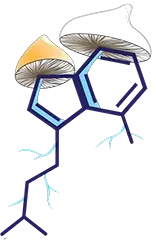
Enter psilocybin, a naturally occurring psychedelic compound found in certain species of mushrooms. Recent studies have illuminated psilocybin’s remarkable potential in treating depression, often with rapid and sustained effects. Research from institutions like Johns Hopkins University and Imperial College London has shown that a single dose of psilocybin, administered in a controlled, therapeutic setting, can significantly reduce depressive symptoms for weeks or even months. This promising efficacy points towards psilocybin’s ability to facilitate profound psychological change, offering a stark contrast to the gradual and often limited effectiveness of traditional antidepressants.
Side Effects: Navigating the Trade-offs
While efficacy is paramount, the side effects of any treatment cannot be overlooked. Traditional antidepressants are notorious for their side effects, which can include nausea, weight gain, sexual dysfunction, and emotional numbness, among others. These side effects often contribute to non-compliance, with many patients discontinuing use due to the adverse impacts on their quality of life.
Psilocybin, on the other hand, presents a different profile of side effects. The most common are transient, such as mild nausea, disorientation, and visual distortions during the experience, with a low risk of long-term adverse effects. Importantly, psilocybin sessions are conducted under the supervision of medical professionals in a therapeutic setting, mitigating risks and ensuring patient safety. The absence of daily dosing and the related side effects associated with traditional antidepressants marks a significant advantage for psilocybin therapy, highlighting its potential as a more patient-friendly treatment option.
Patient Experiences: Transformative Journeys
Beyond the clinical metrics of efficacy and side effects lies the realm of patient experiences, which paint a vivid picture of psilocybin’s impact. Individuals who have undergone psilocybin therapy often describe the experience as profoundly transformative, offering not just symptom relief but also insights and emotional breakthroughs that contribute to long-term well-being. This contrasts with the experiences of many on traditional antidepressants, who report improvement in symptoms but often describe feeling emotionally dulled or disconnected.
These personal accounts are supported by qualitative research, suggesting that psilocybin therapy can foster a deeper sense of connection, meaning, and openness, which are instrumental in the healing process. The ability of psilocybin to facilitate such experiences, coupled with its therapeutic setting, underscores the compound’s unique potential to address not just the symptoms but the underlying causes of depression.
Conclusion
The comparison between psilocybin and traditional antidepressants illuminates a promising path forward in the treatment of depression. With its notable efficacy, manageable side effects, and transformative patient experiences, psilocybin therapy represents a compelling alternative to conventional treatments. As we continue to explore and understand the full potential of psilocybin, it’s essential to approach this new frontier with an open mind, rigorous scientific inquiry, and a commitment to patient-centered care. The journey towards a deeper understanding of mental health treatment is ongoing, and psilocybin stands out as a beacon of hope, pointing towards a future where depression is treated not just with medications, but with experiences that heal.